

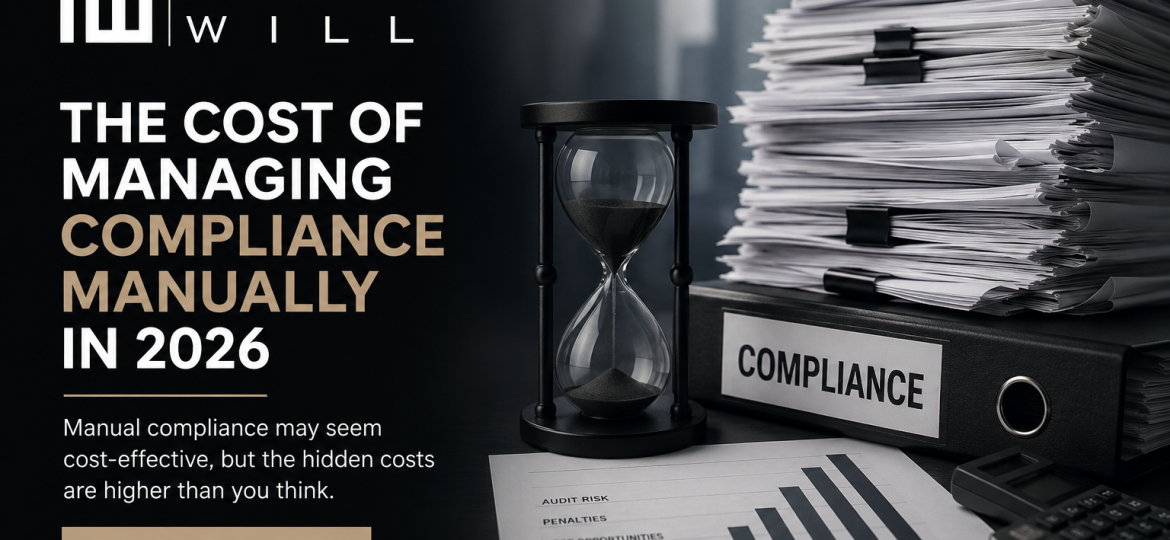
The Hidden Price of Manual Compliance Management
For many businesses, compliance is viewed as a necessary administrative function—a collection of reports, documents, submissions, and audits that must be completed to meet regulatory requirements. However, as South Africa’s compliance landscape becomes increasingly complex, the true cost of managing compliance manually is becoming more apparent.
In 2026, organizations are expected to navigate a range of compliance obligations, including Skills Development, Employment Equity, B-BBEE requirements, training record management, and audit preparedness. While many businesses still rely on spreadsheets, email chains, shared folders, and paper-based filing systems to manage these responsibilities, the hidden costs of these manual processes often outweigh any perceived savings.
The reality is that manual compliance management is no longer simply inefficient—it can become a significant operational and financial risk.
When Time Becomes an Expensive Resource
One of the most overlooked costs of manual compliance management is the amount of time it consumes. Compliance information is often spread across multiple departments, requiring employees to continuously gather documents, update records, track deadlines, and verify information.
What should be a structured and streamlined process frequently turns into a cycle of chasing paperwork, searching for certificates, updating spreadsheets, and preparing reports. Hours that could be spent on business development, employee growth, or customer service are instead dedicated to administrative tasks.
As businesses grow, this challenge becomes even more pronounced. More employees, more training interventions, and more reporting requirements mean greater volumes of information to manage. Without effective systems in place, compliance quickly becomes a resource-intensive burden.
The Risk of Human Error
No matter how experienced a team may be, manual processes inevitably create opportunities for mistakes. A missed deadline, an incorrectly captured employee record, or a misplaced document can have consequences that extend far beyond simple inconvenience.
Compliance errors can lead to failed audits, delayed submissions, lost opportunities for grant funding, and reputational damage. In some cases, organizations may even face financial penalties or struggle to demonstrate compliance when required by clients, regulators, or verification agencies.
As regulatory expectations continue to increase, businesses can no longer afford to rely on systems that are vulnerable to human error. Accuracy and consistency have become essential components of effective compliance management.
The Growing Pressure of Audit Readiness
For many organizations, compliance only receives focused attention when an audit or verification process approaches. Unfortunately, businesses that rely on manual systems often discover gaps in their records at the worst possible time.
The process of locating supporting documents, verifying training records, and compiling evidence can become stressful and disruptive. Teams are forced to divert attention from their core responsibilities in order to prepare for audits, often working under significant time pressure.
An audit should not be a scramble to find information. It should be an opportunity to demonstrate that robust processes and systems are already in place. Businesses that maintain organized and accessible compliance records throughout the year are far better positioned to respond confidently to audits and assessments.
Missing Opportunities Beyond Compliance
Compliance is often associated with avoiding risk, but it also creates opportunities for growth. Effective management of Skills Development initiatives, workplace training, and compliance reporting can contribute to improved B-BBEE outcomes, access to grants, enhanced workforce capabilities, and stronger stakeholder confidence.
When compliance information is fragmented or poorly managed, these opportunities can easily be overlooked. Businesses may fail to claim available benefits, miss important deadlines, or struggle to demonstrate the value of their training investments.
Rather than viewing compliance as a box-ticking exercise, organizations should recognize it as a strategic function that can support broader business objectives.
Why the Cost of Manual Compliance Continues to Rise
The compliance environment is becoming more demanding every year. Regulatory expectations continue to evolve, reporting requirements are becoming more detailed, and organizations are expected to maintain increasingly comprehensive records.
At the same time, businesses are under pressure to improve efficiency, reduce costs, and remain competitive. Continuing to manage compliance through disconnected spreadsheets and manual processes creates an unnecessary obstacle to achieving these goals.
What may seem like a cost-saving approach often results in higher administrative expenses, duplicated effort, reduced productivity, and increased exposure to compliance risks. Over time, these hidden costs accumulate and can have a measurable impact on organizational performance.
A Smarter Approach to Compliance
Forward-thinking organizations are recognizing that compliance should not operate as an isolated administrative function. Instead, it should form part of a broader strategy that supports operational excellence, workforce development, and sustainable growth.
By adopting structured compliance frameworks and leveraging digital solutions, businesses can improve accuracy, strengthen audit readiness, and gain greater visibility into their compliance status. More importantly, they can free their teams from repetitive administrative tasks and focus on activities that create real business value.
In a business environment where efficiency and accountability are increasingly important, smarter compliance management is no longer a luxury—it is a necessity.
How ironWILL Can Help
At IronWILL , we help organizations transform compliance from a reactive obligation into a strategic advantage. Our expertise in Skills Development, Employment Equity, B-BBEE support, and compliance management enables businesses to build systems that are efficient, audit-ready, and aligned with their long-term objectives.
We work alongside our clients to reduce administrative burdens, strengthen compliance processes, and ensure they are prepared for an increasingly complex regulatory environment.
Conclusion
Manual compliance management may have worked in the past, but in 2026 it is becoming increasingly expensive, inefficient, and risky.
Organizations that embrace structured compliance systems gain more than regulatory peace of mind—they gain operational efficiency, improved decision-making, and a competitive advantage.
Compliance should not be a burden. It should be a strategic asset that supports business growth.
Ready to simplify your compliance processes?
Contact ironWILL today and discover how smarter compliance management can save your business time, reduce risk, and improve performance.
📧 info@admin
